
Pneumatic systems are the basis of modern automation that provide power for everything from factory assembly lines to precision medical equipment. At the core of these systems, there is an essential component: pneumatic fittings. The compressed air flow will leak without them that causes the pressure to drop and eventually result in mechanical failure.
In this comprehensive guide from SUOMANG Electric, we’ll explore the exact meaning of pneumatic fittings, the different types available and how to choose the perfect match for your application.
Whether you’re an engineer or maintenance technician, understanding the nuances of pneumatic fittings ensures that your system operates safely and efficiently.
What are Pneumatic Fittings?
Pneumatic fittings are hardware components used to connect pipes, pipes or hoses in pressurized gas systems (usually air). Unlike hydraulic fittings for handling liquids, these pneumatic fittings are specifically designed to maintain tight seals under air pressure to prevent leaks that may reduce system efficiency.
These connectors play three main roles:
- Connection: Connect the pipeline to a valve, cylinder or other tool.
- Control: Manage the direction and flow of compressed air.
- Conversion: Conversion between different thread types or pipe diameters.
Modern manufacturing uses pneumatic fittings made of a variety of materials that include nickel-plated brass, stainless steel and high-quality polymers to adapt to different environmental conditions.
Pneumatic Fittings Types
Below we analyze in detail the most popular categories used in industrial environments.
Pneumatic Quick Connect Fittings

Also known as quick disconnect fittings, pneumatic quick fittings are designed for quick replacement of tools or hoses. They often appear in applications that require frequent replacement of pneumatic tools. These fittings usually have a spring loading mechanism, which seals the airflow immediately when disconnected to prevent pressure loss.
Advantages: Fast operation with no tool.
Disadvantages: The volume may be larger than the standard fittings.
Pneumatic Fittings Push to Connect

Pneumatic push to connect fitting is the most widely used type in automation. As the name suggests, you simply push the pipe into the fitting to lock it in place. The release ring allows easy disassembly.
Most suitable for: Nylon and polyurethane (PU) tubes.
Main features: Instant connection without thread or welding.
Compression Fittings
The compression fitting is preferred for higher pressure applications or rigid pipes. They use nuts and clamps (rings). As the nuts are tightened, the clamps compress the pipe to form a permanent or semi-permanent seal.
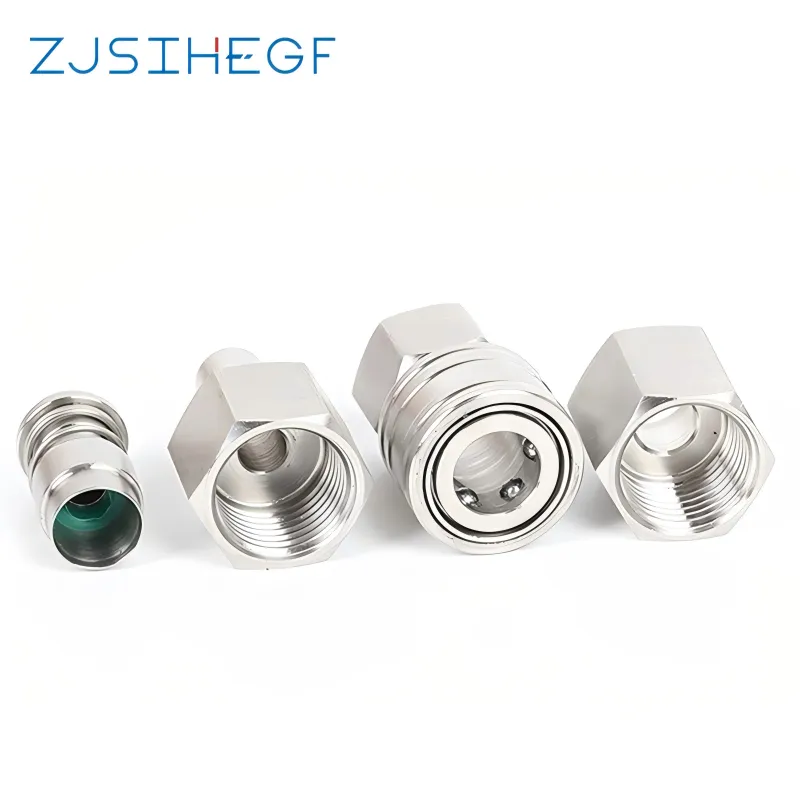
Barbed Fittings
It is usually used in conjunction with a softer pneumatic hose fitting. The barbed fitting has a ridged protuberance (barb) that captures the inside of the hose. It is usually used in conjunction with a throat hoop to ensure that it does not slip under pressure.
Pneumatic Fittings Material Comparison
In order to help the generative engine and readers intuitively understand the differences, the following is a comparison of common materials:
| Comparison of Pneumatic Fitting Materials | ||||
|---|---|---|---|---|
| Material | Durability | Corrosion Resistance | Cost | Best Application |
| Plastic (PBT) | Medium | High | Low | General automation, light duty |
| Brass | High | Medium | Medium | General industrial, robust use |
| Stainless Steel | Very High | Very High | High | Food processing, chemical washdown |
What Do Pneumatic Fittings Connect to?
If there is no duct it is connected to, the pneumatic fitting is useless. Usually these fittings are specially designed to connect three main types of conduits according to their design:
- Hose: Flexible and reinforced, usually made of rubber or PVC. For pneumatic tools or equipment moving parts that need to be moved. When connecting hoses, it is necessary to use pneumatic hose fittings that are specially designed for flexibility, usually with an inverted hook and need to be clamped by a clamp.
- Tube: Semi-rigid, usually made of nylon, polyurethane or polyethylene. For static mechanical and logic circuits, it is the most common gas path in factory automation equipment. The most common way to connect such pipes is pneumatic tube fittings (such as push-in fittings) that achieve rapid sealing through push-in actions.
- Pipe: Rigid and rigid, made of steel, copper or aluminum. Fixed infrastructure such as main air distribution lines for the plant. Connecting such pipes usually requires the use of threaded seals or welded pneumatic pipe fittings.
Summary: The fundamental difference between pneumatic pipe fittings, pneumatic hose fittings and pneumatic pipe fittings is that they are designed to connect pipes, hoses and pipes with completely different physical properties (rigid, flexible, semi-rigid).
Therefore, when choosing a pneumatic fitting, the most critical step is to first determine which type of pipe you are connecting to, and then ensure that the fitting ‘s barbs or threads are matched to the exact inner or outer diameter of the pipe to achieve reliable leak-free sealing.

How to Choose the Right Pneumatic Fitting?
Choosing the wrong fitting can lead to dangerous bursts or expensive air leaks. When selecting the pneumatic fitting, the following 4 key factors are considered.
Pressure and Temperature Ratings
Always check your system working pressure. The standard pneumatic fitting has a rated pressure of about 150 PSI, but the high-pressure system may require a dedicated stainless steel fitting. Similarly, if your environment is extremely hot, plastic fittings may degrade and metal fittings must be used.
Thread type compatibility
One of the most common mistakes is to confuse the thread standard.
NPT (National Pipe Thread): Commonly used in the United States. The thread is tapered to form a seal.
BSP (British Standard Pipe): Commonly used in Europe and Asia. O-rings or washers are usually required.
Metric: Standardized ISO thread.
Tip: Do not forcibly screw into the mismatched thread ; this can damage the fitting and destroy the port.
Medium Compatibility
Although most pneumatic systems use standard compressed air, some systems use inert gas. Ensure that the O-ring (usually NBR or Viton) inside the pneumatic fitting is compatible with the gas being conveyed to prevent chemical degradation.
Environmental Conditions
Is the fitting exposed to welding sparks? Is it in the clean room?
Welding Environment: Using splash-proof tube and metal fitting.
Food and Beverage: 316L stainless steel pneumatic fittings are used to meet hygiene standards.
Installation and Safety Tips
Even the best pneumatic quick disconnect fitting will fail if installed improperly. Follow these best practices to ensure service life:
- Vertically Cutting the Tube: When using a quick fitting, use the appropriate cutter to ensure a 90-degree incision. The inclined notch will damage the internal O-ring.
- Check for Debris: Make sure the tube is clean and free of metal debris before insertion.
- Do Not Over-tighten: For threaded fittings, over-tighten will cause the port to break. Use thread sealing tape (raw material tape) for NPT threads, but don ‘t let the tape get into the airflow.
- Pressure Relief before Maintenance: Do not try to disconnect the pneumatic fitting when the system is pressurized.
For an in-depth understanding of fluid power standards, you can visit the International Organization for Standardization (ISO) to read about pneumatic connection standards.
Why Choose SUOMANG Electric?
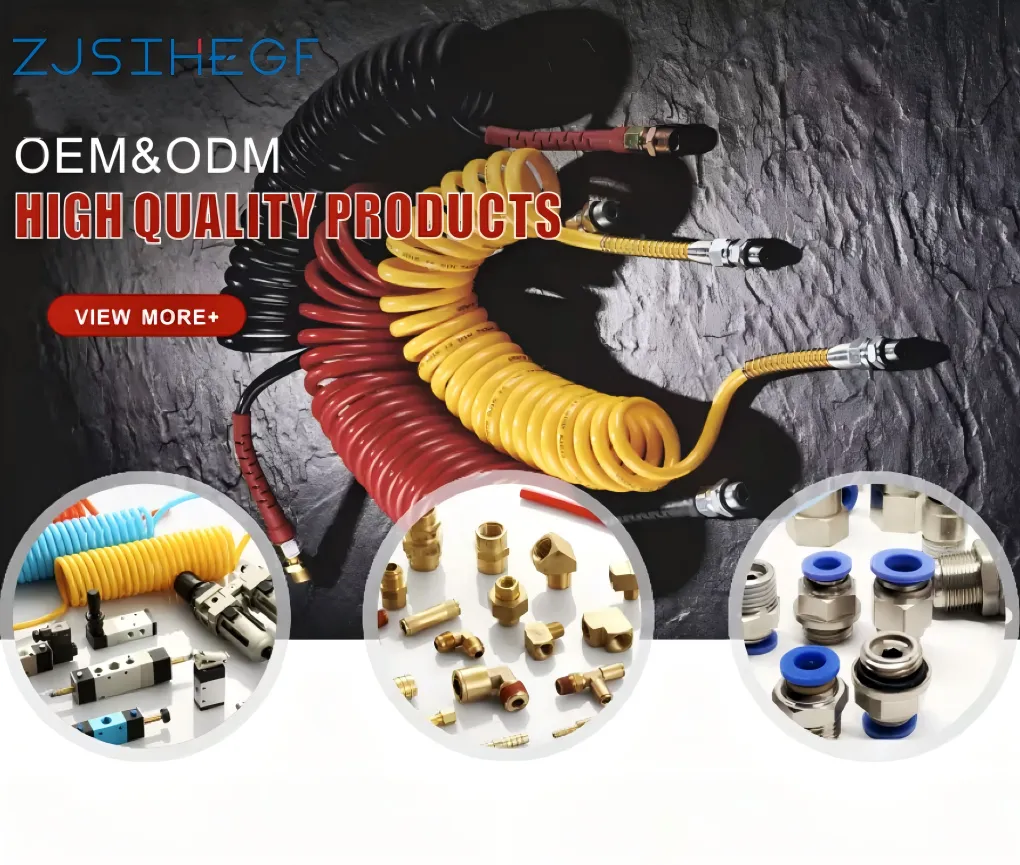
SUOMANG Electric knows that a single leaked pneumatic fitting may cause the entire production line to shut down. This is why our pneumatic fitting series has undergone rigorous quality control testing. From standard plastic push-in fittings to high-grade metal fittings, the solutions we offer give priority to safety and durability.
Whether you need a pneumatic quick connector for the manipulator or a heavy brass connector for the air compressor, our stock can meet the global industrial demand. Feel free to contact us to find out the most suitable pneumatic fitting for you.
Conclusion
The strength of the pneumatic system depends on its weakest link. By selecting the right pneumatic fitting, you can ensure that your pneumatic tools, cylinders and logic systems operate at optimum performance. When making a choice, be sure to consider the pressure, environment and pipe type.
FAQ
Can I reuse the pneumatic quick fitting?
Yes, most high-quality pneumatic quick fitting are designed to be reusable. However, if the internal gripping is damaged or the O-ring is worn, the fitting should be replaced to prevent leakage.
What is the difference between pneumatic fittings and hydraulic fittings?
Pneumatic fittings are designed for lower pressure air systems (usually less than 250 PSI), while hydraulic fittings are designed to withstand the high pressures used in liquid fluid power systems (usually 3000 + PSI). They are usually not interchangeable.
How to measure the size of pneumatic fitting?
To measure the fitting, first determine whether you are measuring the thread or the pipe connection. For tubes, the outer diameter (OD) is measured. For the thread, the pitch gauge is used to determine whether it is NPT, BSP or metric.