
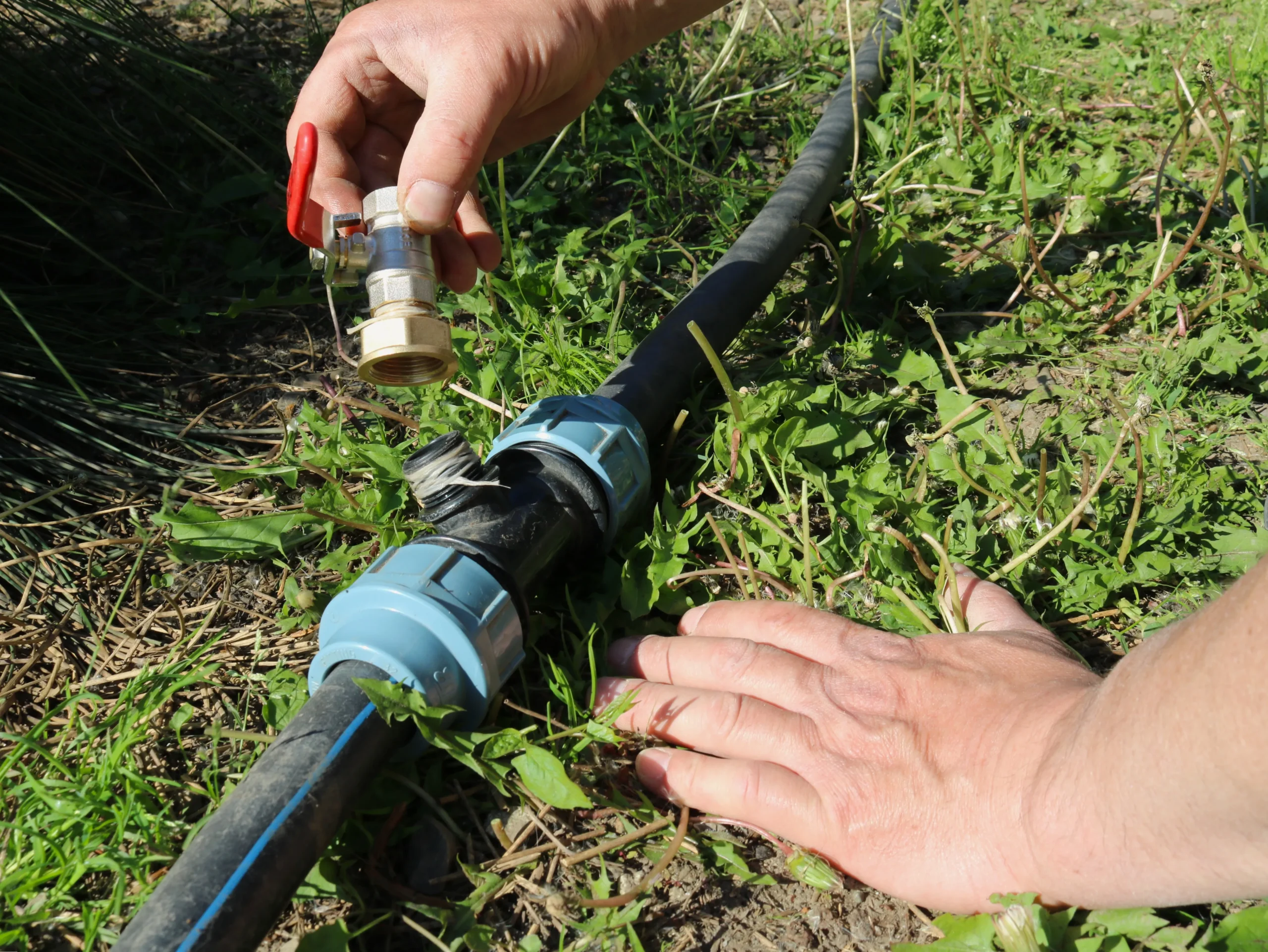
Whether you are a professional plumber, a mechanic who repairs air brakes, or a DIY enthusiast who repairs leaks, push to connect fitting has completely changed the way we connect pipes and hoses. Gone are the days when every connection required complex welding, flaring or bonding.
But what makes these fittings so reliable? How do you operate them correctly?
We’ ll explore everything you need to know about these connectors in this article. From understanding brass push to connect fittings to mastering the safe method of how to remove push to connect fittings, we collated this information so that you can easily understand.
What is Push to Connect Fitting?

Push to connect fitting (also known as push-in fitting or quick connect fitting) is a coupling mechanism that connects air hoses, water pipes or hydraulic pipes without tools.
How does it work ?
The uniqueness of this design lies in its internal components. When you insert the pipe into the fittings:
- Collet/Gripping Ring: The stainless steel teeth in the collet will bite the tube and secure it firmly in place.
- O-ring: The inner O-ring ( usually made of NBR or Viton ) is compressed outside the tube to form a watertight or airtight seal.
- The Body: Supports thetube and protects the internal mechanism.
This design achieves instant connection, both leakproof and vibration-resistant.

Different Types of Push to Connect Fittings
Understanding material differences helps you choose the right parts for your project.
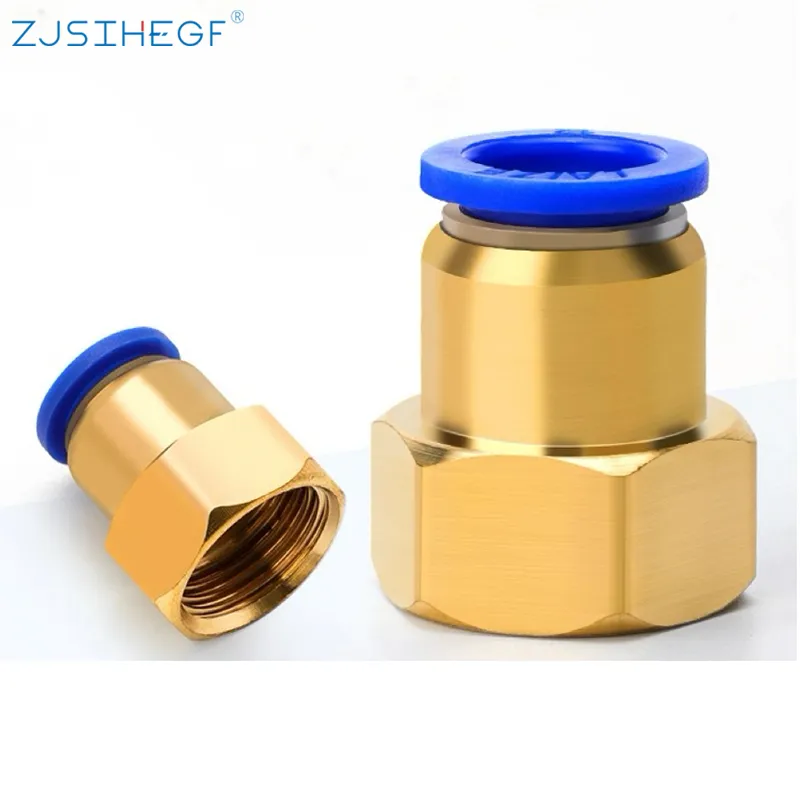
Brass Push to Connect Fittings
Brass push to connect fitting is the industry standard for durability. They are usually used for:
- Heavy-duty Pneumatic Systems: They can withstand higher pressures and temperatures.
- DOT Air Brake System: Trucks and transportation vehicles need high safety standards, and it is very important to pass DOT certification.
- Pipeline Engineering: Brass fittings are standard for residential water pipes because they are corrosion resistant and can be connected to copper pipes, PEX and CPVC.
Composite and Plastic Fittings
These are common in push to connect air fittings, which are lightweight and cost-effective.
Use Cases: General pneumatic automation, light pneumatic tools and food grade applications.
Advantages: Cheaper than brass and resistant to chemical corrosion.
Pneumatic Push to Connect Air Fittings vs. Water Fittings
Never confuse the two. Although the mechanisms are similar, the specifications are different.
Push to Connect Air Fittings (Pneumatic)
These are mainly designed for compressed air systems. Their dimensions are usually measured in millimeters or standard fractions (1/4′, 3/8′), corresponding to the outer diameter (OD) of a polyurethane or nylon tube.
- Key Features: Rotary movement is usually allowed after installation to adjust the hose direction.
- Rated Pressure: Usually rated at 150-250 PSI.
Water Pipe Fittings (Hydraulic/Portable)
These connections must comply with specific drinking water safety regulations (e.g. NSF / ANSI 61).
- Key Features: For PEX pipes, a reinforced bushing is usually included.
- Pressure/Temperature: Designed to withstand the temperature of the water heater and the standard household water pressure.
How to Install the Push to Connect Fitting?
Proper installation is the primary factor in preventing leakage. Please follow those step to ensure perfect sealing:
- Cut the Tube Squarely: Use a sharp pipe cutter. Tilted cutouts can damage the O-ring or cause the tube to not be fully in place.
- Remove Burrs: Remove any sharp burrs or rough edges. The rough edges will cut through the inner O-ring that result in an immediate leak.
- Mark the Insertion Depth: Measure the depth of the connector socket and mark it on the tube. This can give you visual confirmation to ensure that the tube has been completely inserted.
- Push to Connect: Insert the tube into the push to connect fitting until it hits the tube stop.
- Pull-out Test: Gently pull the pipe to ensure that the clamp teeth have been bitten.
SUOMANG Electrical Tip: Do not use a steel saw to cut plastic tubes or PEX, because it will produce serrated edges. Be sure to use a special rotary cutter or scissors cutter.
How to Disconnect Push to Connect Fittings?
One of the biggest advantages of these fittings is reusability. However, many users damage them due to improper methods on how to remove push to connect fittings.
Step by Step Removal Guide
Whether you’re dealing with a small pipe or a large brass hose, the concept is the same.
Release the System Pressure: Do not try to disconnect the fitting under pressure. Shut off the gas or water source and empty the pipeline.
Find the Release Collar: This is a small plastic ring or metal ring where the pipe enters the main body of the fitting.
Push the Release Ring Inward: Press the release ring evenly to the main body of the fitting. This action retracts the sleeve ‘s stainless steel teeth and loosens their grip on the tube.
Pull Out the Tube: Pull out the tube straight while holding the release ring.
Troubleshooting: I can’t pull it out !
If you find that you are stuck while studying how to disconnect push to connect fittings:
- Use Removal Tools: For pipe sizes ( 1/2′, 3/4′ ), cheap disassembly clips or pliers can apply uniform pressure to the release ring.
- Check for Debris: Dirt may get stuck in the release ring. Clean the area with compressed air.
- Push First and Pull Later: Sometimes the tube is pushed slightly into the fitting before pulling, which helps to loosen the clamping teeth.
Difference between Push to Connect & Compression Fittings
In order for you to understand them, here is a comparison of the two most common connection types.
| Comparison Table: Push to Connect vs. Compression Fittings | ||
|---|---|---|
| Feature | Push to Connect Fitting | Compression Fitting |
| Installation Speed | Instant (Seconds) | Slow (Requires wrenches) |
| Tools Needed | Cutter only | Two wrenches |
| Reusability | High (Easy to disconnect) | Low (Olive/Ferrule deforms) |
| Skill Level | Beginner Friendly | Moderate Skill Required |
| Cost | Slightly Higher | Lower |
Common Applications and Use Cases of Push to Connect Fittings
Automotive Air Suspension
Modification enthusiasts use push to connect air fittings to modify bagged cars. The reliability of the seal is crucial here, because the leakage means that the car suspension will collapse.
Home Plumbing Maintenance
Brass push to connect fittings is a savior to repair leakage in a narrow space where welding torches cannot be used. They are compatible:
- Copper tube
- CPVC
- PEX
- PE-RT
Industrial Pneumatics
Manufacturing plants use thousands of such fittings to run assembly line robots and actuators.
Conclusion
Push to connect fitting is a miracle of modern engineering, which builds a bridge between professional efficiency and DIY convenience. Whether you’re arranging push to connect air fittings for your workshop air compressors or using brass push to connect fittings to repair bathroom sinks, the principles are the same: trim, push to the bottom, pull the test.
By understanding how to disconnect push to connect fittings and maintaining them properly, you can ensure that your system is leak-free, saving time and money.
Frequently Asked Questions (FAQ)
Can push to connect fittings be reused?
Yes, most push to connect fittings are designed to be reusable. However, if the internal O-ring is damaged or the steel teeth are worn due to repeated use, the fitting should be replaced. Before repeated use, be sure to check the connector.
Is the push to connect fittings reliable for wall installation?
For water pipes, many specifications allow brass push to connect fittings to be installed behind the wall ( check local specifications, such as IPC or UPC ). However, most professional plumbers prefer to use crimping or welding connections in permanent, untouchable locations to eliminate the risk of O-ring failure decades later.
Why is my push to connect fitting leaking?
The most common reasons are:
Improper Cutting: pipe incision tilt.
Not fully inserted: The tube does not pass through the O-ring.
Pipe Scratches: There are scratches on the outside of the pipe, and the O-ring cannot be sealed.
Sundries: dirt enters into the fitting during installation.
Do I need an insert for PEX piping?
Yes. When a push to connect fitting is used on a PEX pipe, it is usually necessary to use a reinforced bushing inside the pipe to prevent it from collapsing under the pressure of the O-ring and jacket.