
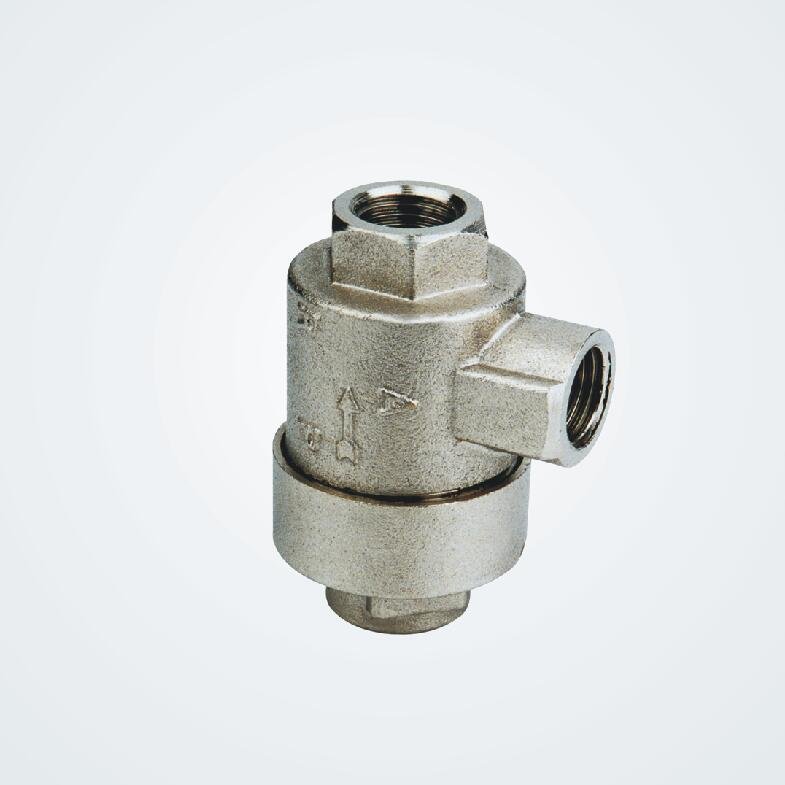
When designing or optimizing pneumatic systems, selecting the right components can make all the difference. The quick exhaust valve, a crucial component, significantly enhances system performance by promptly expelling pressurized air. Whether you’re upgrading an existing system or designing one from scratch, understanding how these valves work, their benefits, and how to choose the right one for your needs is crucial for optimizing efficiency.
What is a Quick Exhaust Valve?
A quick exhaust valve is a device used in pneumatic systems to quickly release air from cylinders when needed, speeding up the return stroke of the actuator. It does so by providing a direct path for exhaust air to bypass the regular exhaust port, reducing the time required for the actuator to return to its starting position.
How Quick Exhaust Valves Work
Quick exhaust valves are designed to open swiftly when an actuator completes its movement. Here’s how the process works in a typical pneumatic system:
- Air Entering: When the actuator is activated, air enters the cylinder to perform the required action.
- During actuator shutdown, the quick exhaust valve engages, allowing the compressed air inside the cylinder to be discharged rapidly.
- Faster Return Stroke: The quicker the exhaust, the faster the actuator’s return stroke, reducing the cycle time and boosting overall system speed.
This ability to bypass the regular exhaust path is particularly useful in systems that need to operate at high speed, such as in automated manufacturing or robotics.
Benefits of Using Quick Exhaust Valves
Quick exhaust valves offer a range of benefits that can significantly enhance the efficiency and performance of pneumatic systems:
- Faster Cycle Times: By quickly exhausting air, these valves reduce the time it takes for pneumatic actuators to return to their starting position, increasing overall cycle speed. In automated systems, this can translate to a substantial increase in production rates.
- Enhanced System Efficiency: With quicker release of air, the entire system operates more efficiently, resulting in fewer delays and smoother performance.
- Extended Equipment Life: Rapid exhaust reduces pressure buildup inside the components, minimizing wear and tear and extending the lifespan of pneumatic components.
- Improved Energy Efficiency: Faster operation translates to less idle time and better energy utilization, making the system more sustainable and cost-effective.
Common Applications of Quick Exhaust Valves
Quick exhaust valves are found in a variety of industries, especially where rapid and reliable pneumatic operation is essential. Here are some common applications:
- Industrial Automation
In automated assembly lines, quick exhaust valves help speed up robotic movements, ensuring that actions like picking, placing, or welding can happen faster, increasing overall throughput and productivity. - Pneumatic Tools
Quick exhaust valves are also used in tools like pneumatic drills, impact wrenches, and sanders. These tools require fast exhaust to ensure smooth operation and improve operator control. - Material Handling
In conveyor and sorting systems, quick exhaust valves enhance the operating speed of pneumatic actuators, reducing handling duration and optimizing material movement in sectors such as packaging and logistics. - Automotive Manufacturing
Automotive production lines make extensive use of quick exhaust valves, especially in robotic welding stations where speed and precision are key. The valves help the robotic arms return quickly to their starting positions, minimizing downtime between welding tasks.
Selecting the Right Quick Exhaust Valve
Choosing an appropriate quick exhaust valve requires careful evaluation of several key aspects to achieve peak efficiency in the system. Here are the key criteria:
- Flow Rate
The flow rate determines how quickly air can be exhausted. A higher flow rate is essential for systems with larger actuators or faster-moving components. It is essential to verify that the valve’s flow capacity is compatible with the requirements of the system. - Pressure Rating
Different valves come with different pressure ratings. Choose one that matches the operating pressure of your system to prevent valve failure or underperformance. - Size Compatibility
The size of the quick exhaust valve must match the exhaust port size of the actuator. Mismatched sizes can cause air flow restrictions and inefficiency. - Material Durability
Depending on the environment (e.g., temperature, humidity, exposure to chemicals), selecting a valve made of the appropriate materials (such as stainless steel or corrosion-resistant alloys) is essential for longevity. - Normally Open vs. Normally Closed
Consider the specific needs of your system. A normally open valve is designed to stay open unless activated to close, whereas a normally closed valve remains shut under standard setup and opens only when actuated. The appropriate selection hinges on the operational requirements of your system.
Conclusion
Quick exhaust valves are critical components for any pneumatic system requiring speed and efficiency. Whether used in industrial automation, pneumatic tools, or material handling, they offer significant benefits, including faster cycle times, reduced wear, and improved system efficiency. By understanding how they work and considering key factors like flow rate, pressure, and material durability, you can ensure that you choose the best quick exhaust valve for your application, resulting in better performance and cost savings in the long run.